UPI for Everyday Payments: What Makes It Useful Beyond Simple Transfers
UPI has changed the way people handle everyday payments by making bank-to-bank transfers faster and easier through mobile apps. From paying local merchants to sending money to family members, UPI has become part of routine financial activity for many users. People managing broader financial needs may also explore services such as a best personal loan, but payments and borrowing should always be treated as separate decisions.
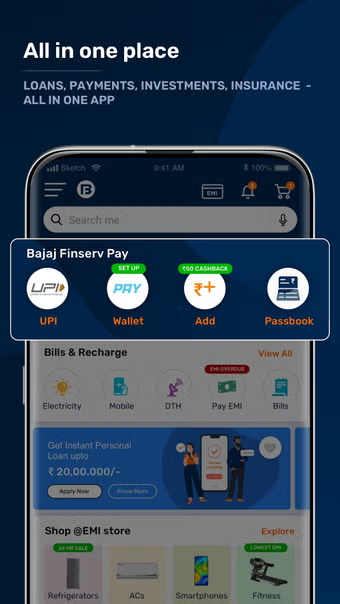
The biggest advantage of UPI is convenience. Users can make eligible payments without repeatedly entering bank account details, while features such as QR codes and UPI IDs make both online and offline transactions easier to complete.
Where UPI Fits Into Daily Money Management
UPI can be used across a wide range of everyday situations. A user may pay for groceries in the morning, transfer money to a friend in the afternoon and settle a utility bill later using the same underlying payment system.
This flexibility makes UPI useful for both planned and spontaneous expenses. However, easy payments can also make spending less noticeable, so users should still keep track of how much money is leaving their account each day.
QR Payments Make Small Transactions Faster
QR-based payments have become common at shops, restaurants and local businesses because they reduce the need to exchange cash or manually enter account information.
The basic process is simple: scan the merchant QR code, verify the recipient details, enter the amount if required and authorise the transaction. Users should always check the merchant name and payment amount before entering their UPI PIN.
That short verification step can prevent avoidable payment mistakes.
UPI IDs Reduce the Need to Share Bank Details
A UPI ID can function as a payment address linked to an eligible bank account. It allows users to send or receive money without sharing complete bank account details every time.
This can make person-to-person payments more convenient. Even so, users should verify that they are sending money to the correct UPI ID, particularly when paying someone for the first time.
A small spelling difference can result in money being sent to the wrong recipient.
UPI PIN Should Remain Private
The UPI PIN is used to authorise eligible transactions and should never be shared with another person. Genuine payments generally require users to enter the PIN themselves within the authorised payment interface.
Scammers may sometimes ask users to enter a PIN to “receive” money. This should be treated cautiously because entering a PIN normally authorises a debit or related action rather than simply accepting incoming funds.
Users should never disclose their PIN, OTP or banking password over calls, messages or social media.
Payment Requests Need Careful Review
UPI allows users to receive payment requests, but not every request is legitimate. Fraudsters may send collection requests and try to convince the recipient that approving them will result in money being credited.
Before approving any request, users should confirm:
- Who sent it
- Why the payment is being requested
- The exact amount
- Whether the transaction was expected
If anything appears unfamiliar, rejecting the request is usually safer than proceeding without verification.
Failed and Pending Transactions Can Happen
Not every UPI transaction completes instantly. Network issues, bank-side delays or technical problems can result in transactions showing as pending or failed.
When this happens, users should avoid repeatedly sending the same amount without first checking the transaction status. The original payment may still be processed after a delay.
Transaction history and official support channels can help determine whether another payment is actually required.
UPI Can Support Better Bill Organisation
Because many payment categories can be handled digitally, UPI can fit well into a monthly expense routine. Users may use it for utilities, mobile payments, subscriptions and other eligible bills.
A simple approach is to group recurring expenses by due date and pay them at planned intervals. This reduces the risk of forgetting important payments while still keeping the process flexible.
Payment convenience becomes more useful when paired with a basic budget.
Small Payments Can Add Up Quickly
The speed of UPI can make ₹100 or ₹200 transactions feel insignificant, but several small payments throughout the day can create meaningful monthly spending.
Reviewing transaction history can help users identify patterns such as frequent food orders, convenience purchases or recurring subscriptions. This makes UPI data useful for budgeting as well as payment execution.
Users may find that managing small transactions creates just as much impact as reducing one large expense.
Separate Routine Payments From Borrowing
UPI is mainly a payment mechanism, while loans are borrowing products that create repayment obligations. The two should not be treated as interchangeable financial tools.
If a user repeatedly needs borrowed money to cover routine UPI expenses, that may indicate a budgeting or cash-flow problem. Before borrowing, it can be useful to review monthly income, essential expenses and existing debt.
Credit is generally better used for a defined requirement than to support uncontrolled everyday spending.
Verify Merchants Before Large Payments
For larger transactions, users should take additional care before authorising payment. The merchant or recipient name displayed on the screen should match the intended destination.
It may also help to confirm the invoice or amount independently before making the payment. Once funds are transferred, recovering money sent to the wrong recipient can be difficult.
A few extra seconds of verification are worthwhile for higher-value transactions.
Public Wi-Fi Is Better Avoided for Sensitive Activity
Users should be cautious when accessing financial apps over unsecured public networks. Sensitive payment activity is generally better performed through a trusted mobile data connection or secure private network.
Devices should also be protected with screen locks and updated software. If a phone is lost, users should take prompt steps to protect linked financial accounts.
Device security is part of payment security.
Transaction Records Can Simplify Expense Tracking
UPI transaction history provides a useful digital record of payments. Users can review previous transactions to confirm payment dates, amounts and recipients.
This can help with household budgeting, reimbursements and resolving payment disputes. It also makes it easier to see how spending changes from one month to another.
Regular review can turn payment history into a simple personal finance tool.
Avoid Sending Money Under Pressure
Fraud attempts often depend on urgency. A caller may claim that an account will be blocked, a prize will expire or a payment must be made immediately.
Users should avoid authorising transactions simply because someone is creating pressure. Legitimate organisations generally provide official channels where users can independently verify a request.
Taking time to confirm information can prevent financial loss.
UPI Limits May Differ
Transaction limits can vary depending on the bank, payment category and applicable rules. Users planning a larger transfer should check the supported limits before relying on UPI for the transaction.
Some categories may have different limits from ordinary person-to-person payments. Banks may also apply their own risk controls or temporary restrictions.
Checking these details early can prevent last-minute payment issues.
Keep More Than One Payment Option Available
UPI is convenient, but technical outages or network issues can occasionally affect transactions. Keeping another payment option available can be useful when an important payment cannot be delayed.
This might include another bank-linked method, card payment or other supported channel. The objective is not to avoid UPI, but to prevent complete dependence on a single payment method.
A backup becomes especially useful when paying bills close to their due dates.
Conclusion
UPI can simplify everyday money movement by combining QR payments, UPI IDs, merchant payments and bank transfers into an accessible digital system. Its convenience is most useful when users verify recipients, protect their UPI PIN and regularly review transaction history rather than treating every payment as automatic.
People considering a loan app for additional financial needs should separately assess eligibility, interest, charges and repayment capacity before borrowing. Keeping payments, budgeting and credit decisions clearly separated can support healthier day-to-day money management.